
Plastic Pallets Designed for the Food Industry
Protect your products with our plastic pallets and crates, designed to meet the highest standards of the beverage industry.
Hygienic Pallets for Food Handling
At GT+plastics, we understand the importance of hygiene and safety in food handling.
Our plastic pallets comply with the highest standards of cleanliness and durability, protecting the quality of your products at every stage of the logistics process.
The Importance of the Food Industry in Mexico and the United States
The food industry is essential for the economic development of Mexico and the United States, directly impacting daily well-being and consumption. With strict safety requirements, this sector demands storage and transportation solutions that minimize risks, and our plastic pallets are ideal for meeting these demands.
Key Requirements in the Sector
Compliance with hygiene standards
Resistance to moisture and temperature fluctuations
Prevention of cross-contamination
Differentiators of Our Plastic Pallets
Our competitive advantages include:
-
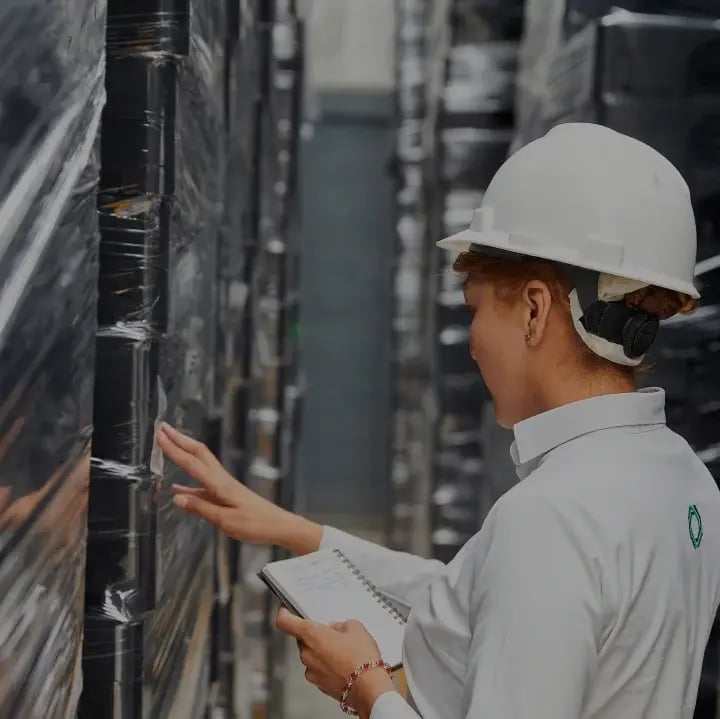
Hygienic and Safe
Our pallets do not absorb moisture, splinter or generate contaminants, ensuring food safety.
-
Easy to Clean
Designed to facilitate cleaning and meet hygiene standards, preventing residue buildup.
-
Moisture Resistant
Ideal for refrigeration environments and food handling.
-
Sustainable
Made with recycled materials, helping reduce environmental impact in the supply chain.
Recommendations for the Sector
We understand that each industry has unique challenges. At GT+plastics, we offer customized plastic solutions tailored to meet the specific needs of each sector.
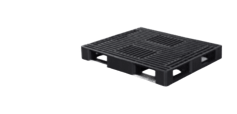
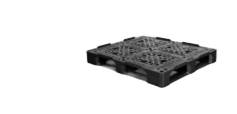
TA-01
(40" X 48")
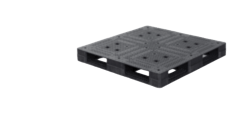
TA-03
(48" X 48")
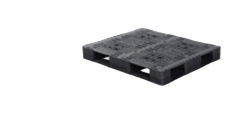
TA-07
(48" X 40")
TA-100
(40" X 48")
What the food industry requires from a pallet
Food safety programs treat pallets as equipment that enters processing and storage areas. HDPE is non-porous, does not absorb moisture and does not splinter, so the pallet can be washed and inspected like any other piece of equipment.
The FSMA Sanitary Transportation rule requires vehicles and transportation equipment to be kept in a condition that does not contaminate food. A clean plastic pallet is easier to document in that procedure, and because it is not wood it does not need ISPM 15 treatment or marking.
In coolers, docks and wash areas, wood absorbs water and deteriorates. HDPE resists moisture and impact and does not absorb liquids. If your operation includes freezing, confirm the model with our technical team before specifying.
The standard version of our pallets includes recycled material. Available in 100% virgin material for applications that require a formulation suitable for food contact, subject to the resin specification, conditions of use and the corresponding compliance documentation.
Which pallet fits your food operation
The cards above show the models most used in the sector. If your operation has a specific priority, this guide points you to the best fit.
I store heavy product in racks and need a closed, easy-to-clean deck
I run a high-turnover DC with racks and four-way pallet jack entry
My product may drip and I work on the floor and in stacks, no racks
I handle bags of flour, sugar or grain with forklifts
I export and the pallet does not come back
Frequently asked questions
It depends on the material. The standard version includes recycled material. Available in 100% virgin material for applications that require a formulation suitable for food contact, subject to the resin specification, conditions of use and the corresponding compliance documentation. Models such as the TA-03, the TA-20 family and the TA-24 and TA-25 offer this option.
Yes. HDPE does not absorb moisture and resists impact, so it works in coolers and on docks with condensation. For freezer applications, confirm the model with our technical team based on temperature and exposure time.
With water and the cleaning agents in your sanitation program, since the surface is non-porous. Your sanitation plan sets the frequency; if product may drip, a closed deck makes cleaning easier.
No. ISPM 15 applies to wood packaging material. Plastic pallets are not subject to that treatment or marking.
Wood absorbs moisture, splinters and loses nails, which makes cleaning harder and can damage packaging. Before deciding, compare cost per use cycle rather than purchase price alone; we can help you evaluate it.
Contact Us for a Custom Solution
Request more information about our pallets for your business.
Leave us your details, and we will provide you with all the information.
Download the Catalog
Share your email address with us, and we will send you our product catalog.